Fate, or something stranger.
An essay about walking the Camino de Santiago for The Nation.

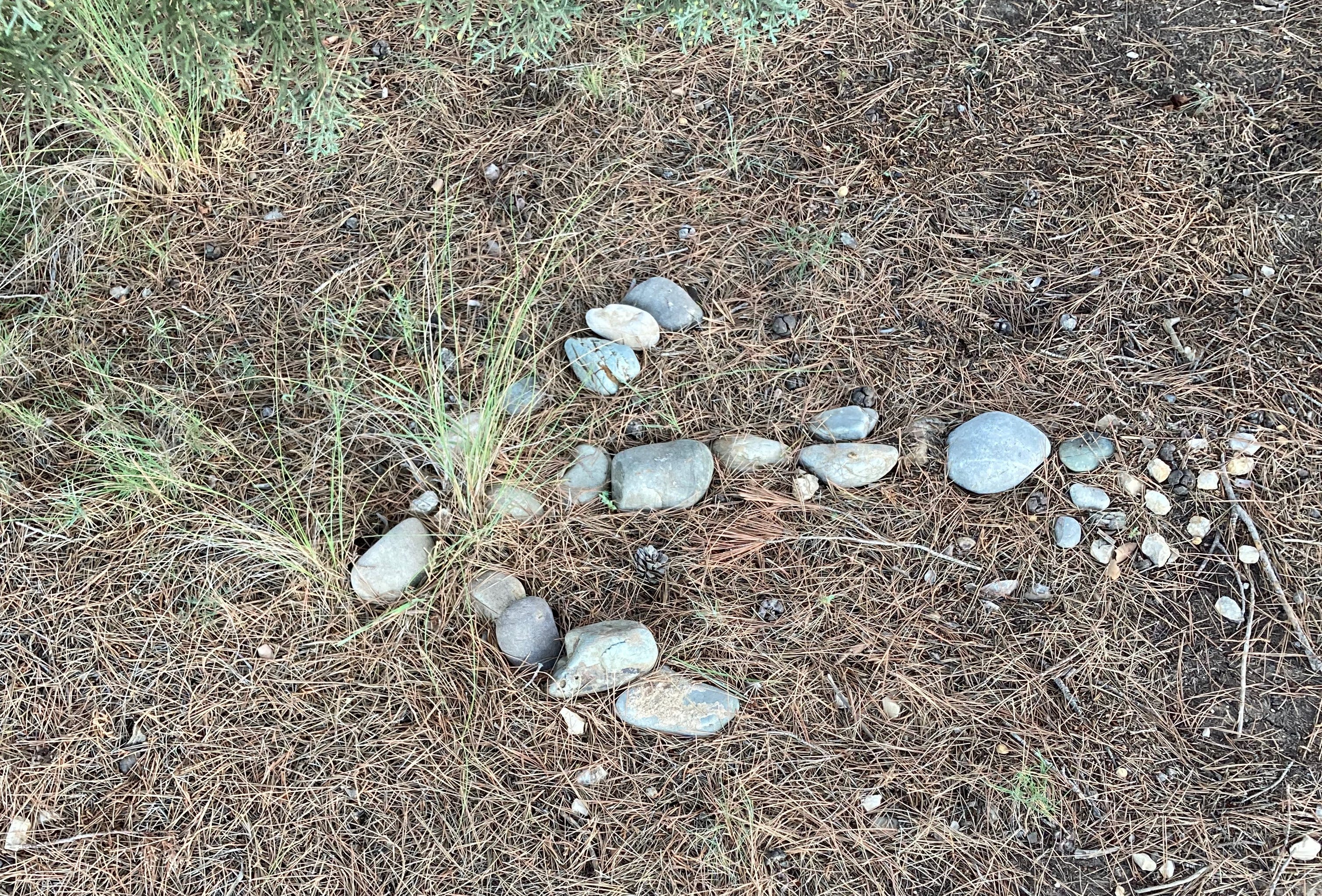
On Saturday, an essay of mine was published over at The Nation as part of their new weekend personal essay series edited by Alana Pockros. This particular essay looked back at the summer in 2023 when I—heartbroken, depressed, as lapsed as a lapsed Catholic can possibly be, and with nothing going right in my romantic or professional life—unexpectedly spent five weeks walking the Camino de Santiago pilgrimage across Spain.
It began with the reckless flip of a coin. Heads, tails. Right, left. Forwards, backwards. “Fate,” or something stranger.
Standing on a sidewalk in Brooklyn beside a man who did not love me but who would not let me leave, I liked to play a game, one borrowed from the Situationists in Paris. I liked to take long walks. Upon reaching an intersection, I’d take a quarter from my pocket kept expressly for these purposes and flip it. Heads, we’d take a right. Tails, left.
Sometimes I’d adjust the rules: Tails would embolden me to walk backward a block while heads meant I would move forward. It kept the uneasy air between me and this man calm, lending a sense of purpose to the otherwise aimless hours we spent together, building toward nothing. With these simple goals, we were distracted, and we would not argue. I could convince myself that he was kind.
One afternoon, after I took myself out on one of these walking games, this time alone, I fantasized about what it might feel like to walk endlessly; to walk out of my day-to-day life and into a happier future. To walk for hours, long past the time I usually spent on these meanders. I was in graduate school, with a student’s schedule for the first time in over a decade, and I’d have the summer off.
A few days later, a photo taken by a stranger in Spain came up on my timeline. It depicted a stretch of something I had once heard of, back in my days of Catholic school: the Camino de Santiago. An ancient pilgrimage dating from the ninth century CE, crisscrossing Spain and ending at the cathedral of the northwestern city of Santiago de Compostela, where the remains of the apostle James supposedly lie, in the last 40 years transformed into a popular and somewhat secularized revival following an enterprising Galician priest’s idea to renovate the trails as a tourist draw.
I turned the quarter over in my palm. Heads, tails. Forward, or backward?
The rest of the essay looks at my experience of the Camino as well as the impact of the American pope, the appeal of long-distance walking, the capacity for belief, and more. You can read it on The Nation’s website, or—very conveniently!—on their new Substack. I thought it would be fun to use my own newsletter to include some photos from my Camino journey.

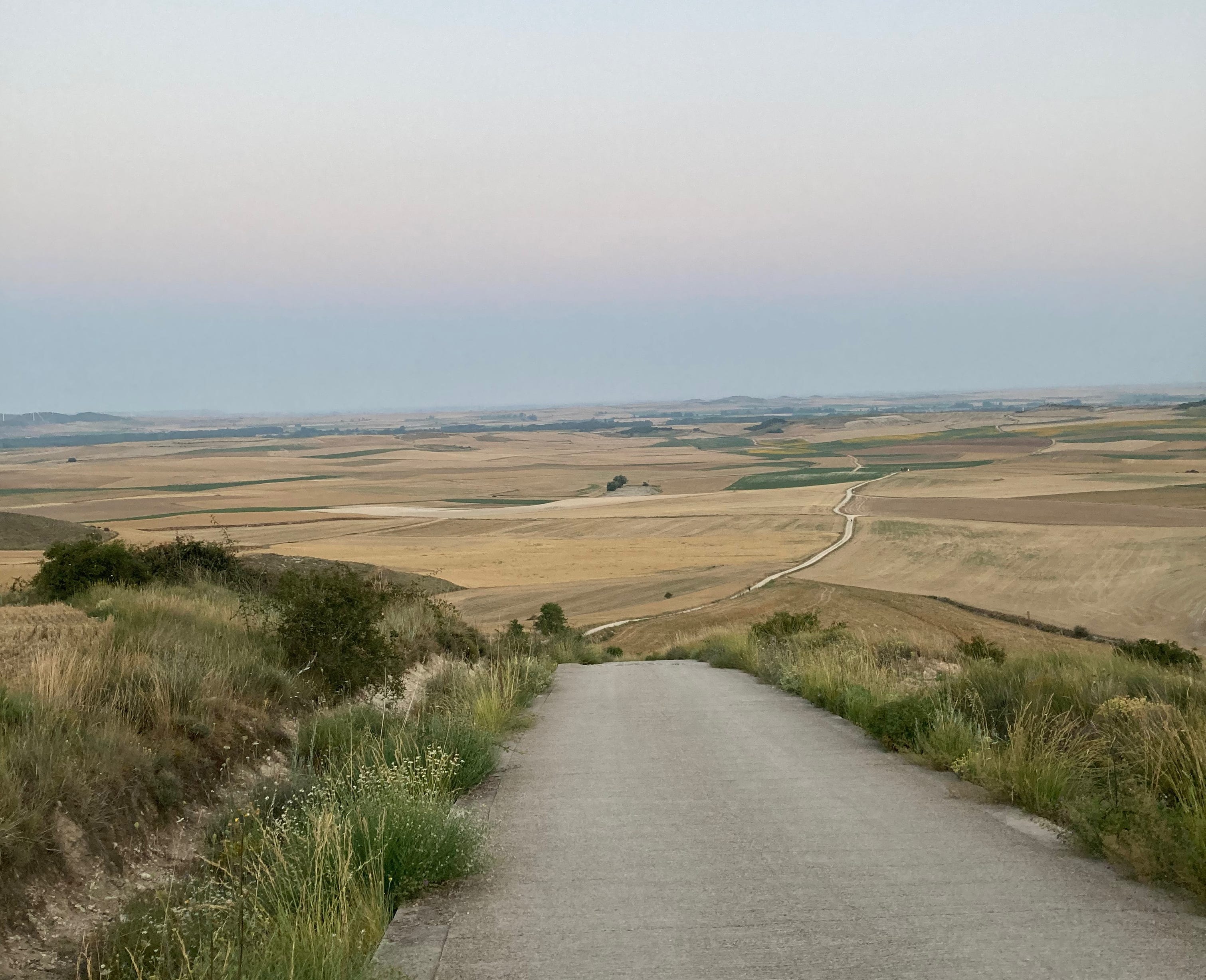
My decision to walk the Camino was not rational. Days after I first saw the photo of it online, I had booked myself a plane ticket and bought a guidebook, my actions more the result of a of gut-level compulsion than an orchestrated plan. I spoke almost no Spanish. I was heartbroken, didn’t have much money, and every editor in New York was passing on both a novel and a short story collection I had written. What I craved most was a blankness of the mind, a stripping away of myself and my identity, which would allow me to bypass the anxious spiraling that had left me frozen in place as I awaited the decisions of others. The pursuit of chance and serendipity, like the kind offered by coin flips and the Situationist dérive, or unplanned drifting through an urban landscape, struck me as one way to achieve this state of being. But so too was this idea of ceaseless walking, mindless walking, the kind of walking that would—I hoped—offer its own form of transcendence, not dissimilar to that of which experienced by the mystics and the saints whose existence had formed a vague and constant wallpaper to my life since childhood.
As you’ll find in the essay, I’m a pretty secular and unbelieving person, but the extreme and heightened experience of the Camino definitely lead me to dwelling pretty heavily on belief, human consciousness, and mortality. (I ended up writing a novel about these very subjects shortly after returning from the Camino.)
Since 2023, friends have asked me if I would do it again, or if I would walk a different Camino (there are a few different variations, though the most famous is the one I walked—the Camino Frances). At first, my response was always, absolutely not. The experience was so intense that I felt it best to leave it in the past as a one-time thing. But lately, I have been thinking about walking the shorter Camino Portuguese or Ingles. Looking at these photos, it’s made me consider this once again.


It is both our fortune and our misfortune that we live—still—in an age of belief. Perhaps this is not always belief in religion. But there is belief in certain political ideologies; belief in certain speeches; belief that the ugly ideas of the past, its fascisms and its prejudices, hold the key towards creating a new future. But amid all this smallness, belief also holds the capacity for something bigger, something truer. Belief is what I feel when I read a novel and know that human hands made it, that a human mind is speaking directly to me, not the pale imitation set forth by AI. Belief is what I feel when I set one foot in front of the other before I begin a long Saturday morning walk, having left my phone at home so as to not distract me from the world outside. Belief is what hovers in the air in that exact breath-caught moment in which the coin is turning and turning, the future still unknown.